Managing Plants When Spring Still Hasn’t Quite Warmed Up
by Jamie on 9th May 2026 · 6 minutes
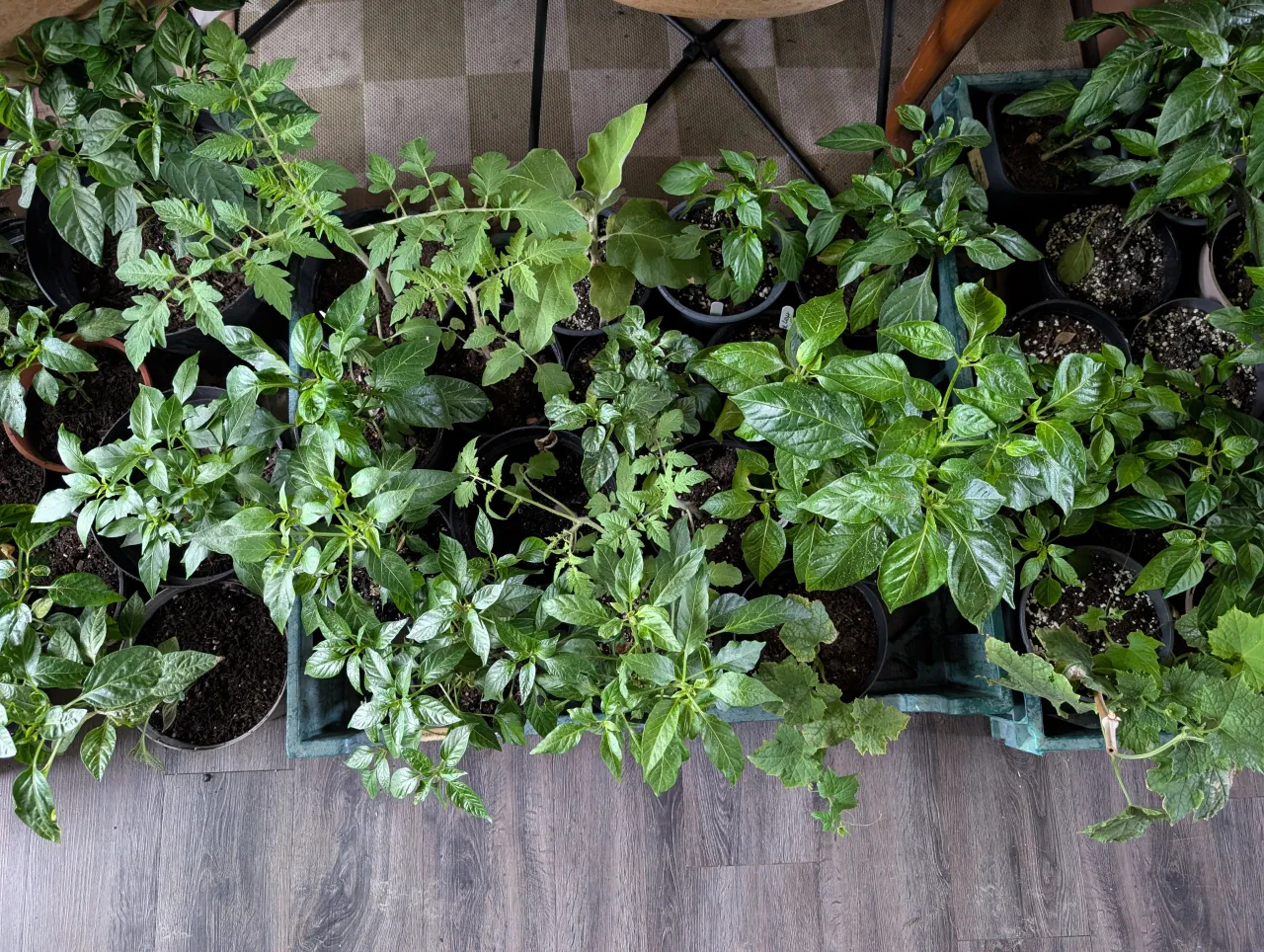
If you are anything like me, your house is probably full of plants that are not quite ready to brave the outdoors overnight.
The windowsills are crowded, the greenhouse is waiting, and every sunny afternoon makes it feel like summer is just around the corner. Then the forecast shows another cold night and suddenly all those tomatoes, chillies, aubergines, cucumbers, squashes and other tender plants need protecting for a bit longer.
This in-between stage can be one of the trickiest parts of the growing year. The plants are often too large to keep comfortably indoors, but it is still not quite warm enough to leave them outside without a plan.
Why this time of year is awkward
By late spring, tender plants can be growing quickly. Tomatoes may already be in decent-sized pots, chillies and aubergines may have been started months ago, and squashes can suddenly turn from neat little seedlings into sprawling monsters.
The problem is that many of these plants dislike cold nights. They may survive a brief dip, but cold conditions can slow growth, cause stress, damage leaves, or set them back for weeks.
A greenhouse helps, but it is not magic. On a clear cold night, an unheated greenhouse can still get surprisingly cold. It may protect plants from wind and frost, but it does not always keep temperatures high enough for tender summer crops.
Know which plants need the most protection
Not every plant needs the same level of care. It helps to divide things into rough groups.
Tender crops such as tomatoes, chillies, aubergines, cucumbers, melons, luffahs, tomatillos and basil should be treated with caution. These are the plants most likely to sulk if nights are still cold.
Squashes, courgettes and pumpkins are also tender, but they grow quickly and can often catch up once conditions improve. Even so, they should not be rushed into cold soil or exposed positions too early.
Hardier crops such as brassicas, lettuce, chard, peas, broad beans, beetroot, onions and many flowers can usually cope much better outside. These are often the plants that can be moved out first to free up valuable indoor space.
Use the greenhouse carefully
A greenhouse is useful at this stage, but it works best as part of a gradual transition.
During the day, it can be much warmer than indoors, especially in sunshine. This is great for growth, but it can also be stressful if plants go from a stable indoor environment straight into intense light and big temperature swings.
Start by moving plants into the greenhouse during the day if you can. If that is not practical, choose a mild spell and move only the tougher or more replaceable plants first.
For very tender crops, consider giving them a little extra protection inside the greenhouse. This might mean placing them in trays against a sheltered wall, covering them with fleece overnight, or grouping pots together so they hold a little more warmth.
Watch the night temperatures, not just the daytime highs
A sunny 18°C afternoon can be misleading if the night drops to 2°C.
For tender plants, the overnight low is often the more important number. A plant may look happy in the greenhouse during the day, then sit cold and damp all night.
As a rough guide, many tender crops will be happier once nights are consistently above 8 to 10°C. They may tolerate lower temperatures for short periods, especially with protection, but they are unlikely to thrive if they are repeatedly chilled.
If the forecast still includes cold nights, it is worth delaying the final move outside or using fleece, covers, cloches, or temporary insulation.
Avoid cold, wet roots
Cold soil and damp compost can be more damaging than cold air alone.
Plants in pots are especially vulnerable because their roots are surrounded by a relatively small volume of compost. If that compost gets cold and wet, growth can stall quickly.
Try not to overwater plants during cold spells. Water in the morning rather than evening, so the compost has a chance to warm and drain before night. If plants are in trays, avoid leaving them sitting in cold water.
This is especially important for chillies, aubergines, cucumbers, melons and luffahs, which can really resent cold, soggy roots.
Harden plants off gradually
Hardening off is simply the process of helping indoor-grown plants adjust to outdoor conditions.
Plants raised indoors or under grow lights are used to stable temperatures, gentle airflow and controlled light. Outside, they face wind, stronger sunlight, cooler nights and bigger swings in temperature.
A simple hardening-off process might look like this:
- Move plants to a sheltered spot for a few hours during mild days.
- Bring them back in at night.
- Gradually increase their time outside over a week or two.
- Move them into the greenhouse or cold frame overnight once nights are mild enough.
- Plant them out only when the weather and soil are suitable.
If you cannot move plants back and forth every day, use the most sheltered option available and add protection at night.
Use fleece as a safety net
Horticultural fleece is one of the simplest tools for this time of year.
It can be draped over plants in a greenhouse, cold frame, or sheltered outdoor area to give a little extra protection. It will not turn a freezing night into a warm one, but it can reduce the shock and help protect tender growth.
For better results, try to avoid letting fleece sit directly on delicate leaves. Use canes, hoops, crates, or anything similar to create a little space above the plants.
Fleece is also useful for newly planted crops outdoors, especially if the weather turns windy or chilly after planting.
Make use of microclimates
Not every part of the garden is the same temperature.
A sheltered spot against the house, a cold frame, a lean-to, a greenhouse bench, a south-facing wall, or even a spot under cover can all offer slightly different conditions.
At this time of year, those small differences matter.
The warmest and most sheltered areas should be reserved for the most tender or valuable plants. Tougher crops can take the less protected spaces.
If space is tight, prioritise the plants that really need protection. A tray of tomatoes deserves the warmest spot more than a tray of kale or cabbages.
Do not rush planting out
It is tempting to plant everything out as soon as the greenhouse is full and the house has become a jungle.
But planting out too early can create more work later. A cold, stressed plant may sit still for weeks, while a plant kept protected for a little longer can often catch up quickly once conditions improve.
This is especially true for cucurbits such as courgettes, pumpkins, squashes, cucumbers and melons. They grow fast when they are happy, but they can sulk badly if planted into cold soil.
It can feel frustrating when the house is full of plants and the greenhouse is still not quite safe, but a little patience now can make a big difference. Once the nights warm up properly, growth will speed up, plants will settle, and all the careful juggling will have been worth it.
Enjoying these tips?
SeedSort helps you plan, track, and grow your garden with ease. Sign up for free and start your own growing journey today.