What I’m sowing in February (and why it’s still mostly indoors)
by Jamie on 3rd February 2026 · 2 minutes
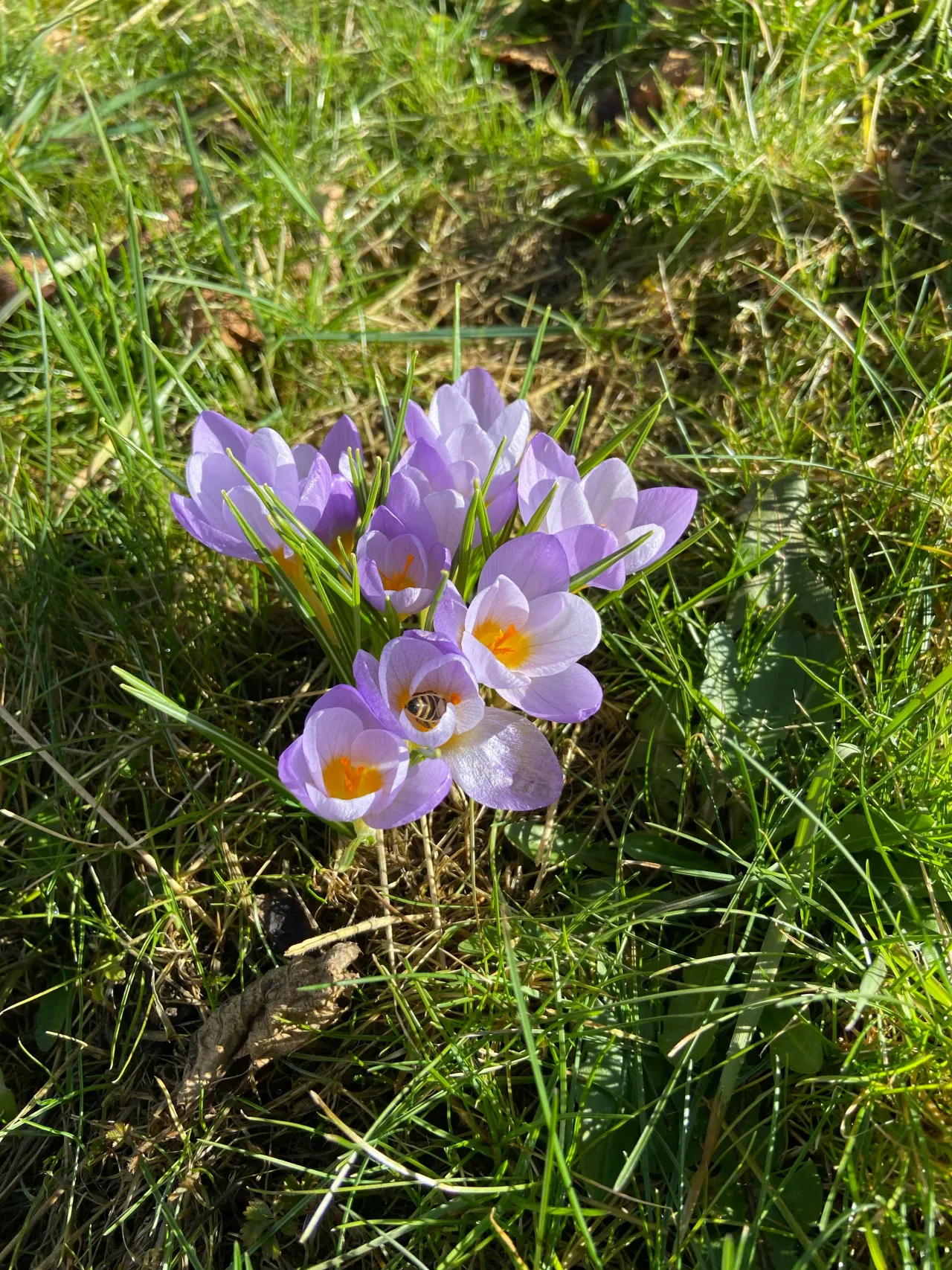
February often feels much like January. The garden still looks dormant, the soil is cold, and growth outside is slow. But this is the point where things start to shift indoors.
I still keep sowing fairly restrained in February. It is not about filling trays for the sake of it. Instead, this month is about building on the foundations laid in January and starting a few more crops that benefit from a longer run-up to spring.
This is what I am sowing in February, and why.
Indoors / under lights
Chillies, peppers and aubergines
If these were not started in January, February is still a very good time to sow them.
They are slow growers and appreciate a long season, especially in the UK. I keep them warm, usually on a heat mat for germination, and under grow lights as soon as they break the surface. Consistency matters more than speed here. Steady warmth and good light produce compact plants that are much easier to manage later.
Aubergines are still the fussiest of the three. They need warmth to germinate and dislike sudden changes, so I tend to give them a bit of extra attention.
Tomatoes (later in the month)
I usually wait until later in February to sow tomatoes, particularly those intended for growing on in a greenhouse or polytunnel.
Tomatoes germinate quickly and grow fast once they are up, so sowing too early can create more work than it saves. Late February works well for me, but they can also be sown through March without any real downside.
Under cover or outdoors, if conditions allow
Peas
Peas are one of the crops I am happy to start early. They tolerate cooler conditions well and benefit from an early start, especially if you want a harvest in early spring.
I usually sow them in modules or short lengths of guttering under cover, then plant them out once conditions are kinder. Even a little protection makes a noticeable difference.
Broad beans
Broad beans are very reliable when sown early and cope well with cold weather. February sowings work well either in modules or directly under cover.
Starting them now spreads the workload and often leads to stronger plants that establish quickly once planted out.
A few things I keep in mind in February
Light
Light levels are improving compared to January, but they are still weak. Seedlings can stretch quickly if they are not given enough light, so grow lights are still very useful this month.
Temperature
Heat mats are less critical than in January, but still valuable for warmth-loving crops like peppers and aubergines. Once seedlings are established, I focus on keeping temperatures steady rather than high.
Space management
February is when trays start to add up. I try to be realistic about what I can look after properly and avoid sowing things too early just because I can.
Keeping notes
This is where tracking really starts to pay off. With sowings spread across January and February, it becomes much harder to remember dates, conditions and varieties. Logging sowing times, photos and notes in SeedSort makes it easier to see what is working and what needs adjusting next year.
February is still very much part of winter growing, but it is also where momentum starts to build. I keep sowing focused, give plants the conditions they need, and resist the temptation to rush. A calm February makes everything else feel easier when spring finally arrives.
Enjoying these tips?
SeedSort helps you plan, track, and grow your garden with ease. Sign up for free and start your own growing journey today.