Why guessing planting dates leads to overcrowding and poor harvests
by Jamie on 16th December 2025 · 2 minutes
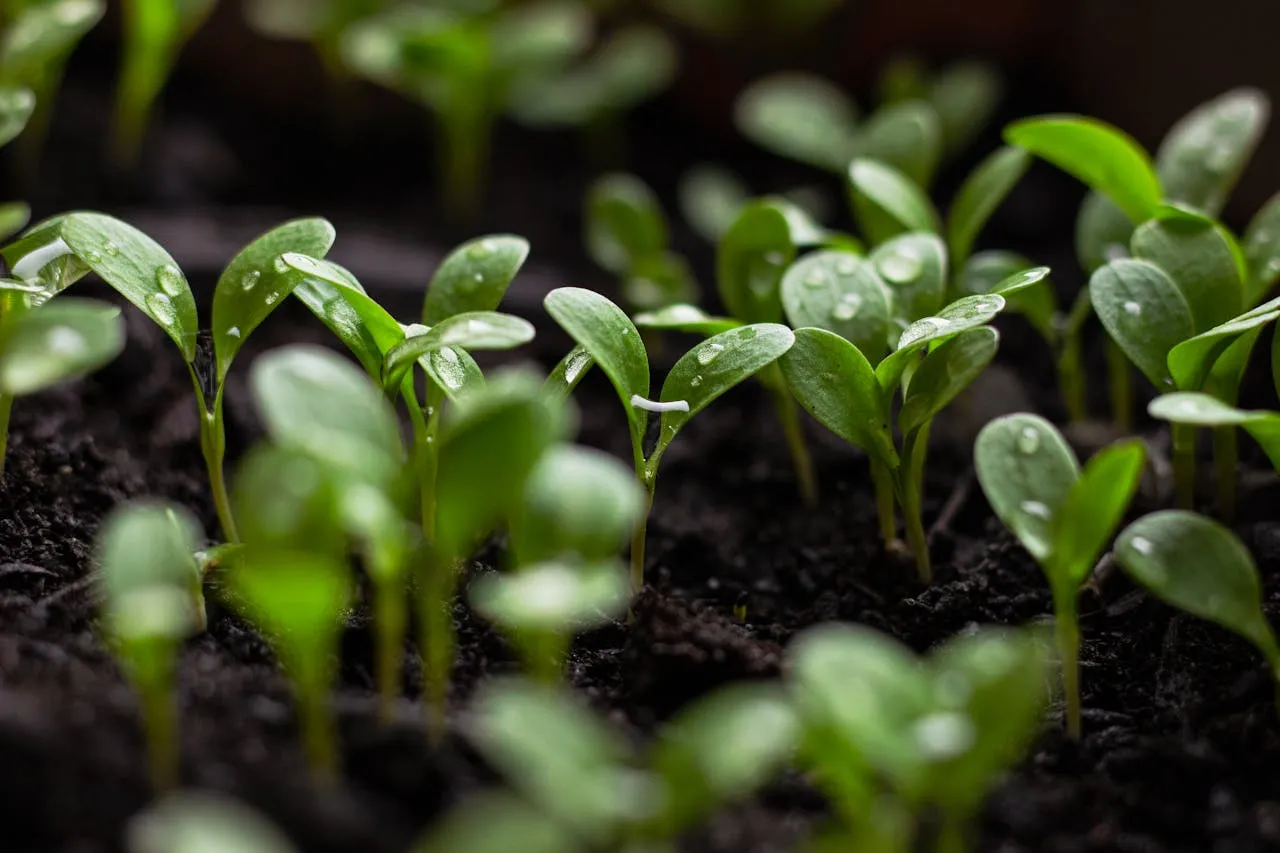
Most overcrowded beds don’t start in the garden.
They start months earlier, at the point of sowing.
Seeds go in with good intentions. A tray here, a pot there. Maybe a second sowing “just in case”. At the time, everything feels sensible and low-risk.
It’s only later, when plants are ready to move on, that things start to feel tight.
Guessing feels harmless at the start
When you sow seeds, the consequences aren’t immediate.
If you’re a little early or a little late, nothing obvious happens. Seeds still germinate. Seedlings still grow. At that stage, it feels like you’ve got away with it.
But timing matters more than it appears, especially once several sowings begin to converge at the same point.
When everything becomes ready at once
Overcrowding usually happens because multiple sowings reach the same stage together.
Plants that were sown too early linger in pots for longer than planned. Plants sown a bit late catch up quickly. Backup sowings succeed when you didn’t expect them to.
Suddenly, you have more plants ready to plant out than you have space for.
At that point, decisions are rushed:
- Things get planted closer together than intended
- Some plants are delayed again
- Others are squeezed in “temporarily”
None of these choices are disastrous on their own, but together they reduce airflow, light, and overall plant health.
Why poor harvests are often a timing issue
When plants are crowded, they compete.
Roots overlap sooner. Leaves shade each other. Airflow drops. Pests and disease become more likely. Even if everything survives, plants rarely perform at their best.
This often gets blamed on:
- Soil quality
- Weather
- Seed quality
But in many cases, the underlying issue is that too many plants reached the same stage at the same time, because their sowing dates weren’t clear or were guessed.
The compounding effect of uncertainty
Guessing planting dates doesn’t just affect one crop.
It creates uncertainty further down the line:
- You’re unsure when beds will free up
- Successions overlap unexpectedly
- Follow-on crops are delayed or abandoned
Each small uncertainty feeds the next. By mid-season, the garden feels full, but not especially productive.
Why this happens even to careful gardeners
Most gardeners don’t deliberately guess.
They rely on memory. They assume they’ll remember roughly when something was sown. They trust that things will space themselves out naturally.
But memory is imprecise, especially over weeks and months. Without clear reference points, everything drifts closer together than planned.
Clarity at sowing prevents stress later
Overcrowding is rarely caused by enthusiasm alone. It’s usually caused by lost context.
When sowing dates are clear, spacing decisions become easier later. You know what’s ready, what can wait, and what needs dealing with now.
Good harvests aren’t just about what you grow.
They’re about when each stage happens, and how clearly those stages are connected.
If beds feel crowded and harvests feel underwhelming, it’s worth looking back to the sowing stage. The answer is often there, quietly influencing everything that followed.
Enjoying these tips?
SeedSort helps you plan, track, and grow your garden with ease. Sign up for free and start your own growing journey today.